




Why Pay €1,500 When You Can Lead It Yourself?
Picture this: you’re planning a strategy day for 20 employees. Big goals, big discussions, and one question: “Why would I pay €1,500 to an outside facilitator when I know my team best and I can talk?
It’s the same logic as asking: “Why go offsite when we already have a meeting room at the office?”
But here’s what many leaders overlook: the real cost isn’t the facilitator, it’s the room full of people. A full day of salaries, time, and lost productivity adds up quickly.
The answer isn’t about whether you’re not a good leader. It’s about how to get your team to produce the best possible results.
What exactly is facilitation?
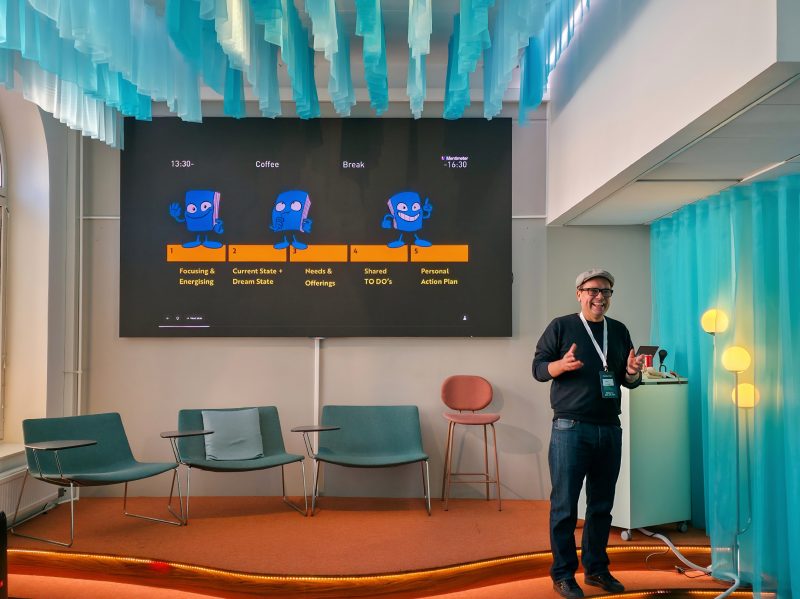
The word facilitation comes from facilitate, to make something easy. A facilitator is a professional who takes care of the process so that you and your team can focus entirely on the content.
In the past, facilitation was all about flipcharts and Post-it notes. Today, it involves digital tools (like Miro or Teams) and AI, but the core remains the same: it is a method for helping a group reach its goal.
3 reasons why “doing it yourself” costs you more
1. Your “Boss Hat” Gets in the way
When you lead the day yourself, you’re still everyone’s boss. No matter how much you say “feel free to speak your mind,” people will naturally filter what they say, not because they want to, but because the existing dynamic is hard to ignore.
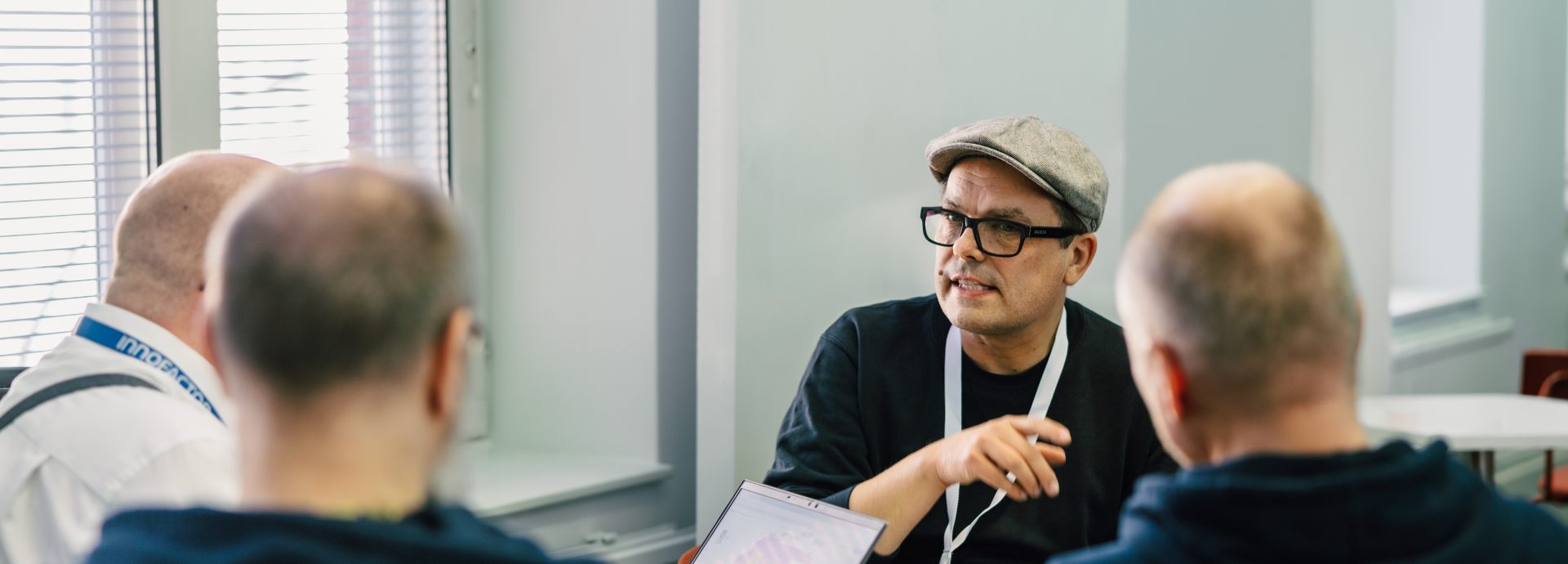
“It’s a different dynamic if the boss acts as the facilitator. That’s when the group might be silenced, and you won’t reach a genuine discussion,” says expert Jani Turku, Ideapakka.
An outside facilitator strips away this hierarchy. They put everyone on an equal footing, including you. This allows you, for once, to focus on being a participant and actually listening to what your team has to say.
2. You might be wasting a high-cost room
Think about it for a moment: 20 experts spending a full day together costs the company thousands of euros in salaries and overhead. Without structure, that time turns into discussion, not decisions.
3. The facilitator sees what you don’t
As a leader, you might be too close to the issues. A professional facilitator’s superpower is reading the room, sensing emotions, tensions, and the things that are left unsaid.
“A facilitator must learn to recognize emotions and tensions. AI can create a framework, but it can’t sense if a person is satisfied or angry,” Turku reminds us.
A good facilitator has the courage to stop the conversation and say: “I feel some tension here; should we talk about this?” This kind of honesty can save you from months of internal friction later on.
Facilitation is a methodology, not just “running a meeting”
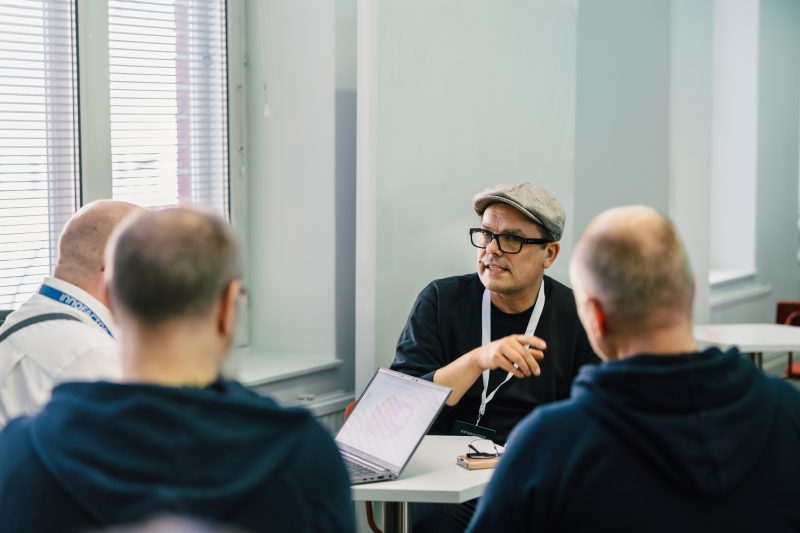
It’s important to understand that facilitation isn’t just a series of random exercises; it is a goal-oriented way of working. It is the bridge between strategy and practice.
When you hire a facilitator for €1,500, you aren’t just buying a time-slot in a schedule. You are buying the ability to find the essential points even when the situation feels “fuzzy.” A professional’s superpower is peeling back the layers to find what truly matters and ensuring that the group doesn’t just talk, but actually moves forward.
What’s the Real Return on Your Strategy Day?
Sometimes the biggest saving comes from letting go of control and bringing in a professional.
At HUONE, you’re not just booking a venue, you’re gaining a partner who helps you get the most out of your time. Ready to make your next strategy day truly count?